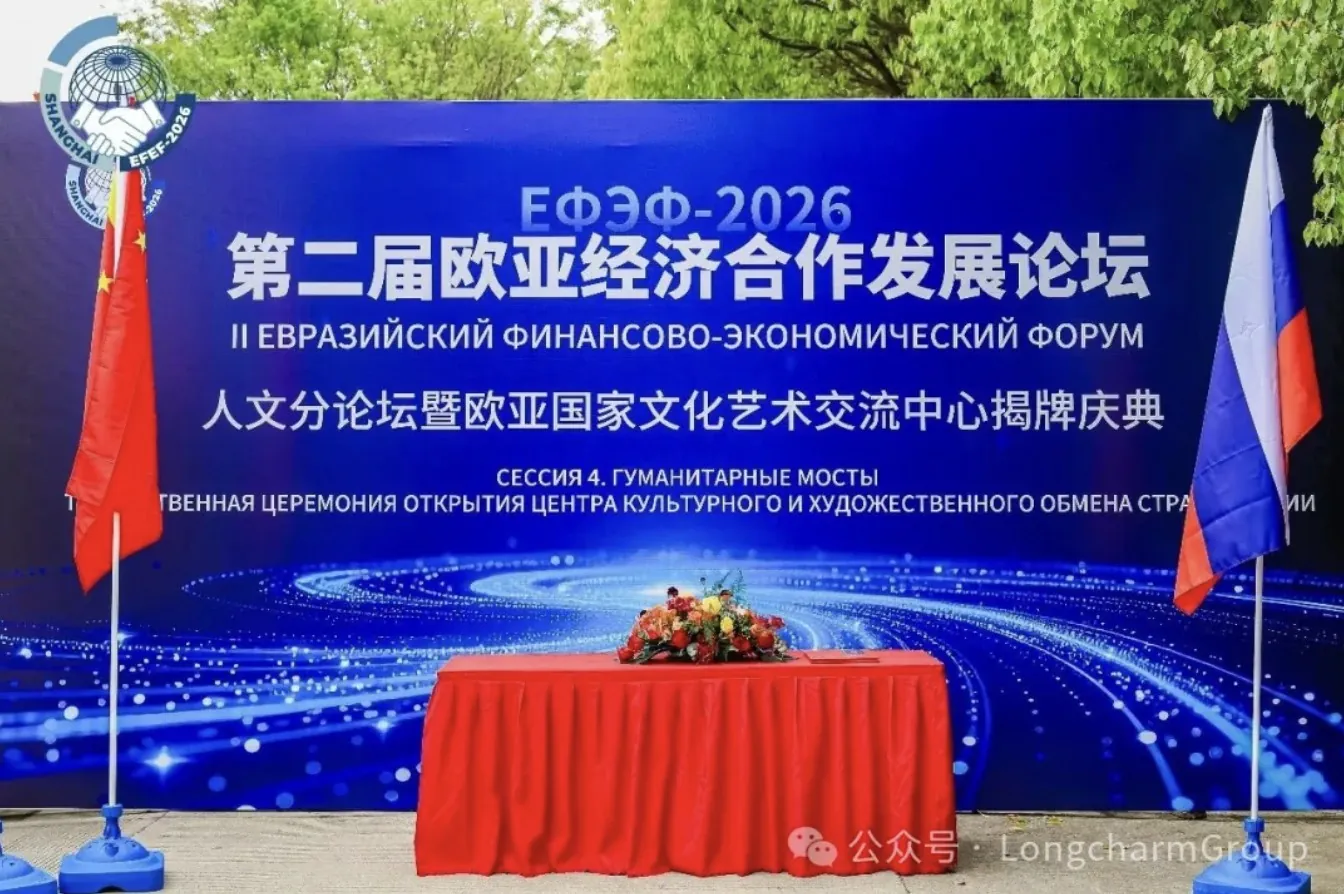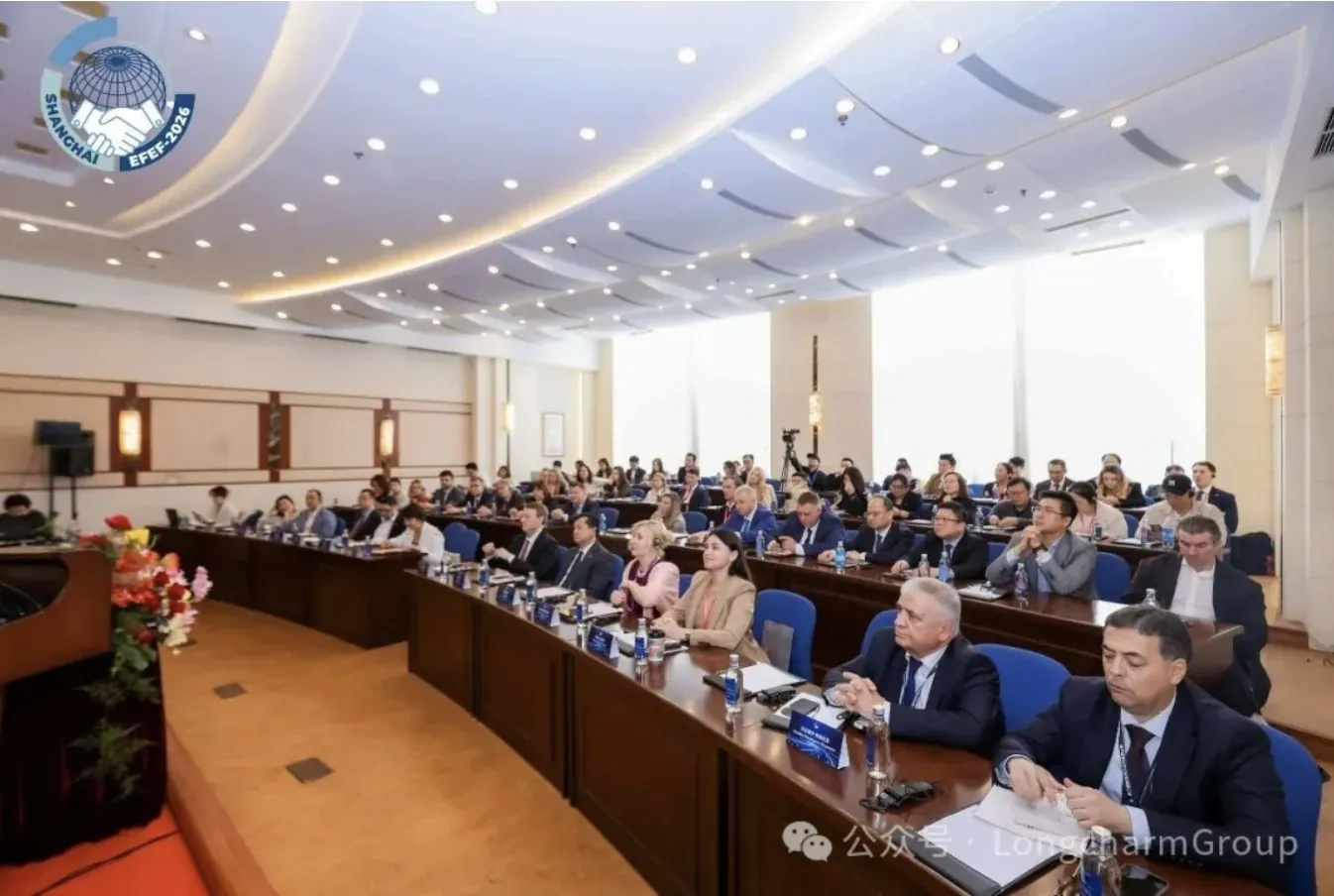
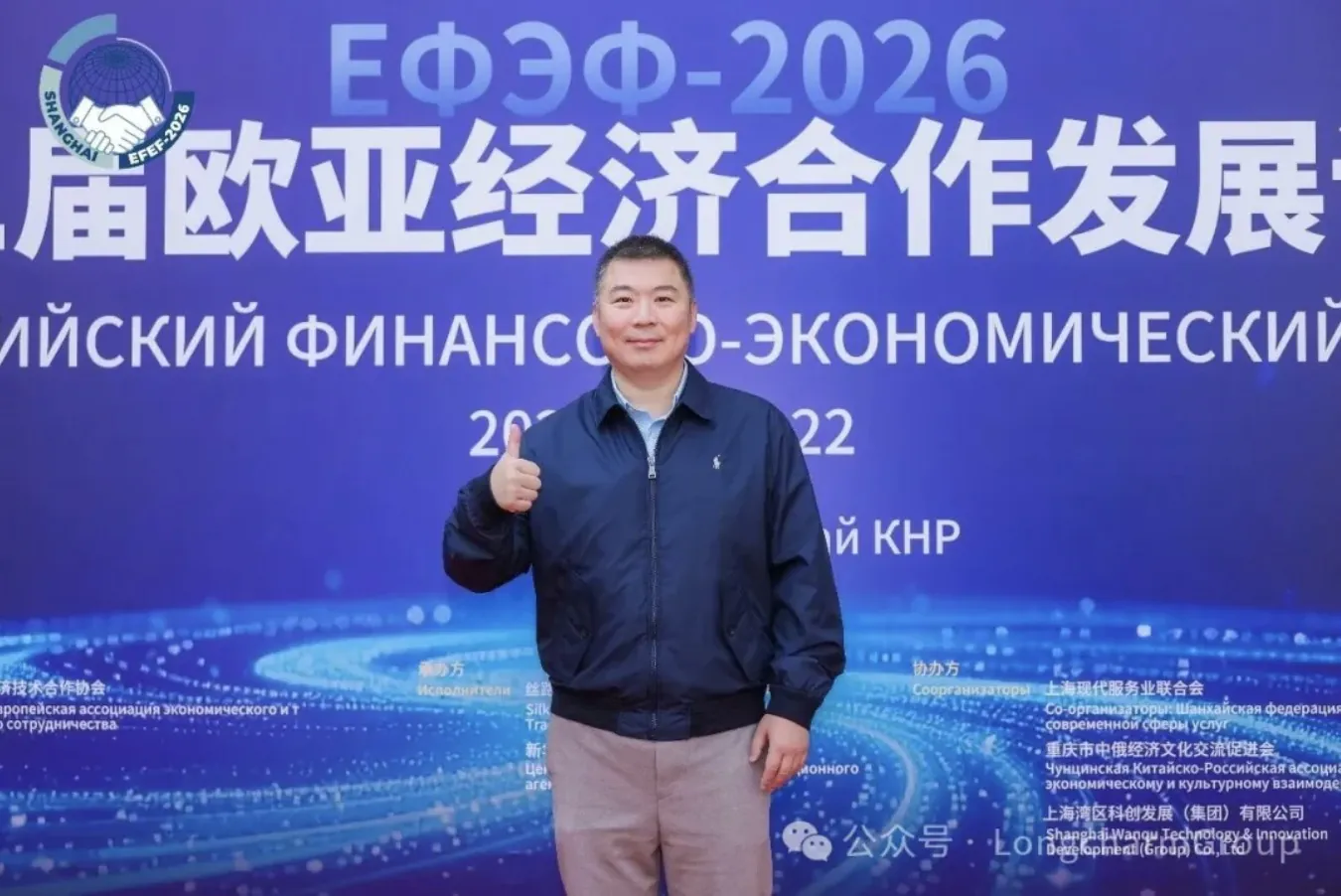
From April 20 to 21, the Second Euro-Asian Economic Cooperation and Development Forum was held in Shanghai. The forum was guided by Xinhua News Agency, hosted by the China-Europe Association for Technical and Economic Cooperation, and organized by Xinhua Net Co., Ltd. among other units. Under the theme “Joining Hands to Build a New Pattern of Openness and Promote High-Quality Development of the Eurasian Region,” the forum featured four major segments: finance, technology, industry, and culture & humanities. It attracted representatives from government agencies, financial institutions, industrial platforms, and enterprises across Eurasian countries. Zhao Mengda, CEO of Shenzhen Longcharm Holdings Investment Co., Ltd. (hereinafter referred to as “Longcharm Group”) and President of the China Culture Promotion Association Industrial Investment Association (hereinafter referred to as “Association”), together with Dr. Wang Lina, General Secretary of the Association, was invited to attend.
Keynote Speech: From Event-Based Exchange to Platform Building
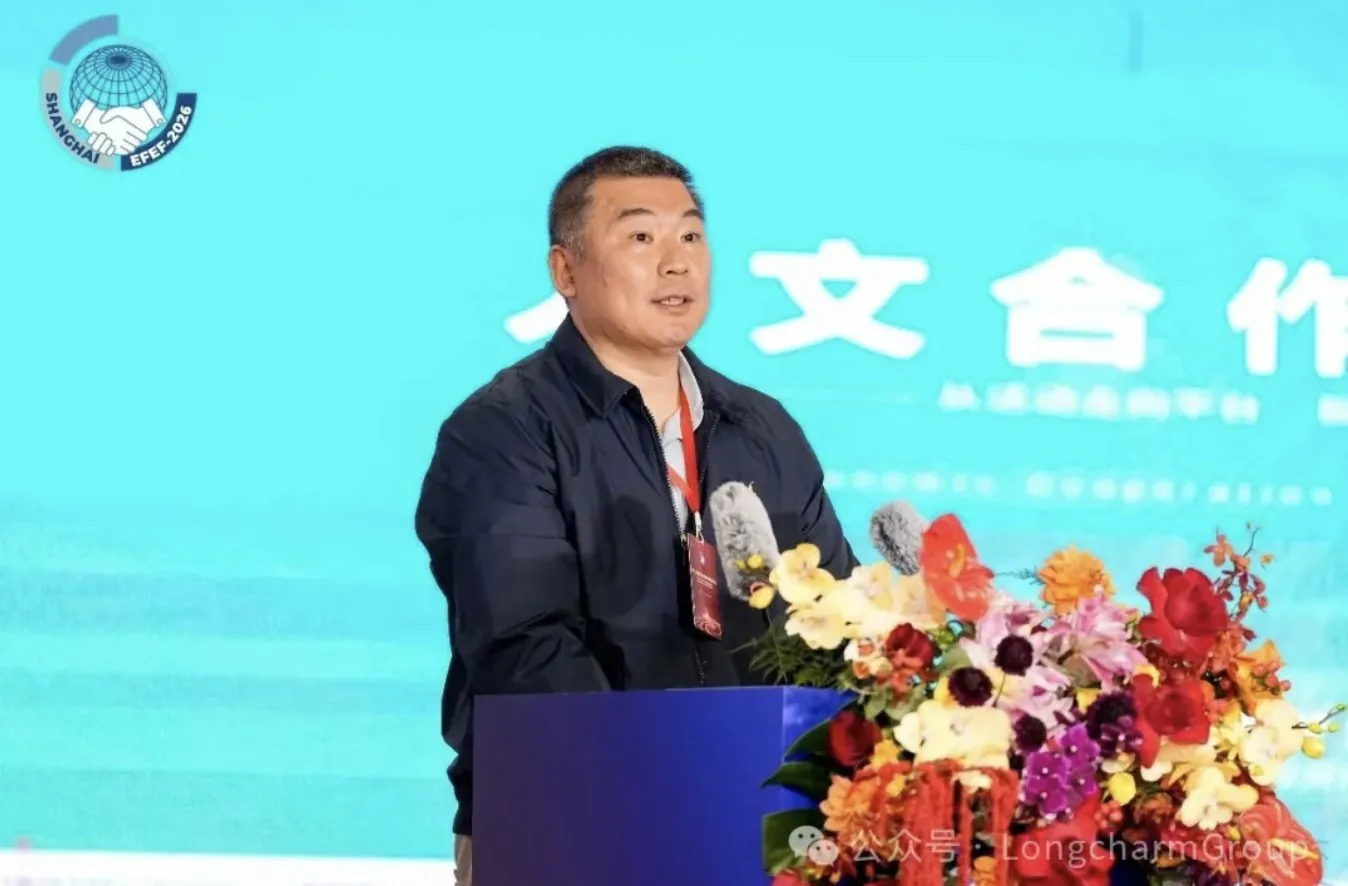
On the morning of April 20, Zhao Mengda and Dr. Wang Lina attended the forum's opening ceremony. That afternoon, at the “Eurasian People-to-people Cooperation Forum” sub‑forum held at the Eurasian National Culture and Art Exchange Center, Zhao Mengda delivered a keynote speech titled “New Pathways for People-to-people Cooperation – From Events to Platforms, Serving Long‑Term Eurasian Cooperation.” Drawing from his own experience in industrial investment, he argued that people-to-people cooperation is moving from event‑based exchanges to platform‑based collaboration, from short‑term interactions to long‑term mechanisms, and from single‑event showcases to project conversion. He noted that economic cooperation answers “what to do and how to do it,” while people-to-people cooperation answers “why we can do it for the long term and how to sustain it.” Without mutual understanding and public endorsement, many cooperation initiatives may start but struggle to go deep or far.
In his speech, he presented several platforms and projects recently advanced by Longcharm Group and the Association across education, culture & tourism, health & wellness, and technology.
Education – He mentioned that Prospect College is being upgraded to benchmark the University of Cambridge Institute of Continuing Education, building a full‑lifecycle talent development system that introduces international curricula while also undertaking national‑level training programs such as the “Western Talent Project.”
Culture & Tourism – He introduced the Velowind project and the Shanhaifu RV cultural tourism project. Velowind is a one‑stop outdoor sports and life service platform focused on “smart outdoors + rural cultural tourism,” integrating vehicles, activities, equipment, and tour leaders to explore replicable themed routes and camp products. Shanhaifu attempts to bundle transportation, accommodation, social interaction, camper stations, and local cultural experiences into a complete scenario.
Health & Wellness – He spoke about the Beijing Taiyi Medical Research Institute, which is grounded in modern science and traditional Chinese medicine, adheres to the concept of “food as medicine,” and specializes in anti‑aging products, functional foods, and stem cell‑related products. The institute has established close collaboration with technical teams from well‑known medical colleges and anti‑aging institutions both domestically and internationally.
Technology – He introduced Locus X, a company focused on the “spatial internet,” with proprietary R&D capabilities in digital twin cities and spatio‑temporal big data integration. It has provided technical support for Shenzhen’s smart city initiatives and the digitalization of major domestic scenic areas.
He stated that these explorations are still underway, but the direction is clear: to move people-to-people cooperation beyond the activity level and gradually create platforms and mechanisms that can operate, accumulate value, and deliver long‑term results.
Xinhua News Agency Interview: Upgrading Quality and Efficiency Requires More Concrete, Pragmatic, and Sustainable Mechanisms
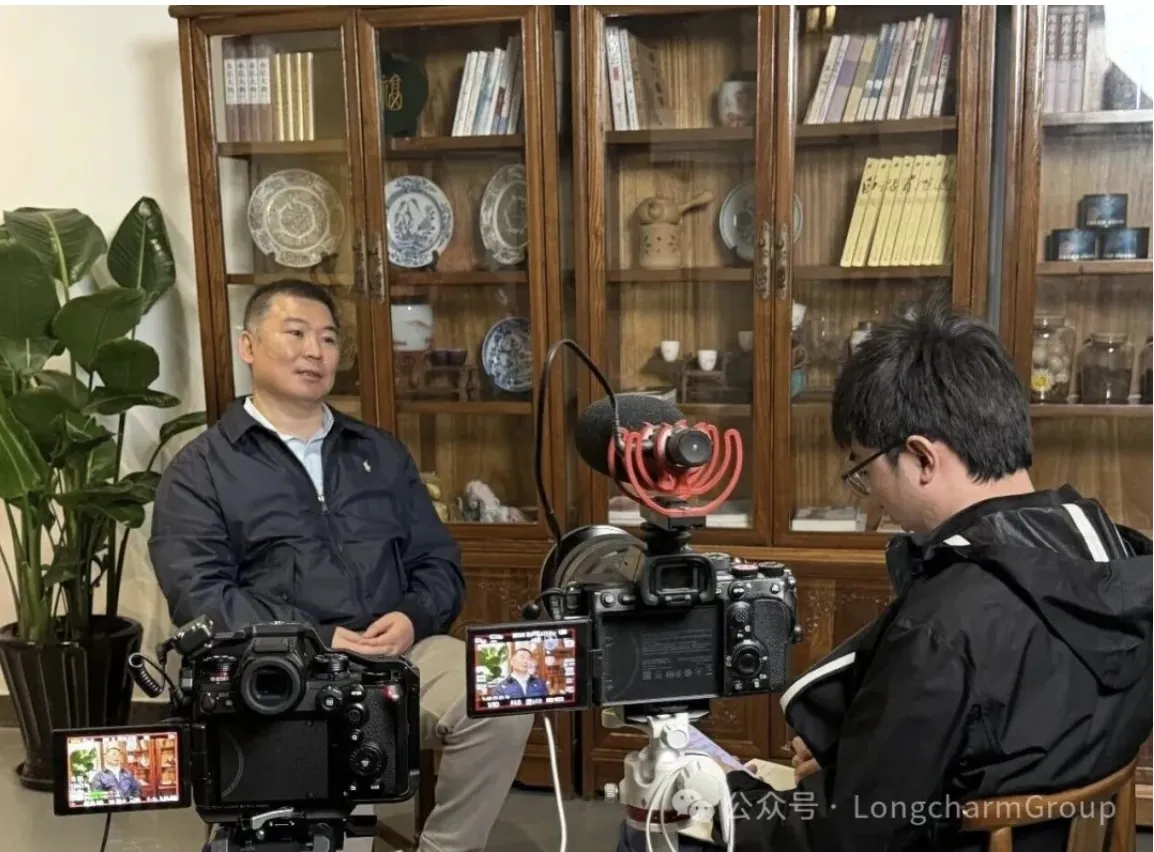
After his speech, Zhao Mengda was interviewed by a Xinhua News Agency reporter. Regarding how to upgrade the quality and efficiency of Eurasian regional cooperation, he proposed advancing in three directions: “more concrete, more pragmatic, more sustainable” – clarify the issues, sort out the needs, and match projects with resources; establish actionable mechanisms focusing on payment, industrial absorption, technology transfer, talent training, and standard alignment; and ensure post‑forum follow‑up, a task tracking system, and a clear implementation pace. He believes that the Eurasian region spans resources, markets, industry, technology, and humanities, and if a higher level of synergy can be achieved, it will not only boost regional development but also bring greater stability and resilience to the global economy.
Speaking about emerging cooperation areas such as robotics, AI, and big data, Zhao Mengda said the current biggest bottleneck is that technology, scenarios, and mechanisms are not yet fully integrated. He suggested starting with “small‑scale pilots” – building integrated platforms for “joint R&D + application validation + talent training” in areas such as robotics applications, AI services, digital twins, smart cultural tourism, and wellness technology – so that technology can enter real‑world scenarios faster and generate replicable, scalable experiences.
On how the forum could upgrade from an “exchange platform” to a “results platform,” Zhao Mengda put forward four suggestions: establish a pre‑forum mechanism for sorting out needs and projects; arrange targeted closed‑door matchmaking during the forum; set up a post‑forum project ledger and regular follow‑up mechanism; and provide professional support and coordination mechanisms. He particularly emphasized that the value of people-to-people cooperation lies in solving the underlying problems of long‑term relationships. Using China‑Russia cooperation as an example, he noted that economic projects can be affected by cycles, and industrial layouts can be influenced by external changes. However, if there is understanding between peoples, connections among the youth, and shared identity in society, the relationship will be more resilient in the face of fluctuations and more likely to generate long‑term expectations.
Multilateral Dialogue Effectively Drives the Implementation of Cooperation Mechanisms
On April 21, Zhao Mengda and Dr. Wang Lina attended thematic roundtable meetings, including the “Competition and Collaboration between Physical Banks and Digital Platforms,” where they exchanged views with representatives from Chinese and foreign banks, fintech platforms, and e‑commerce logistics companies on cross‑border payments, digital scenario co‑creation, and risk control coordination. In the afternoon, they participated in the plenary session and results announcement, witnessing the release of the 2026 Shanghai Declaration on Eurasian Economic Cooperation and Development. During a closed‑door meeting, they engaged in small‑group discussions with Eurasian stakeholders on major project implementation, financial support, industrial landing, and mechanism building.
Industrial Investment Platforms Are Becoming an Important Bridge for Eurasian Cooperation
The forum brought together core government departments and leading enterprises from many Eurasian countries. Participants agreed that regional cooperation increasingly depends on platform alignment and mechanism building, and that investment platforms with ecosystem construction capabilities are becoming an indispensable force. Longcharm Group’s core strategic logic has always been to use a solid industrial ecosystem to provide a sustainable foundation for enterprises. Adhering to the dual-engine of “investment + industrial operation,” the group continues to deepen its presence in education, culture & tourism, technology, health, and capital – this is both its current practical deployment and a directional investment for long‑term Eurasian cooperation. Through this forum, Longcharm Group has not only further expanded the industry’s recognition of its industrial capabilities but also deepened its actual influence in cross‑regional cooperation mechanisms.