
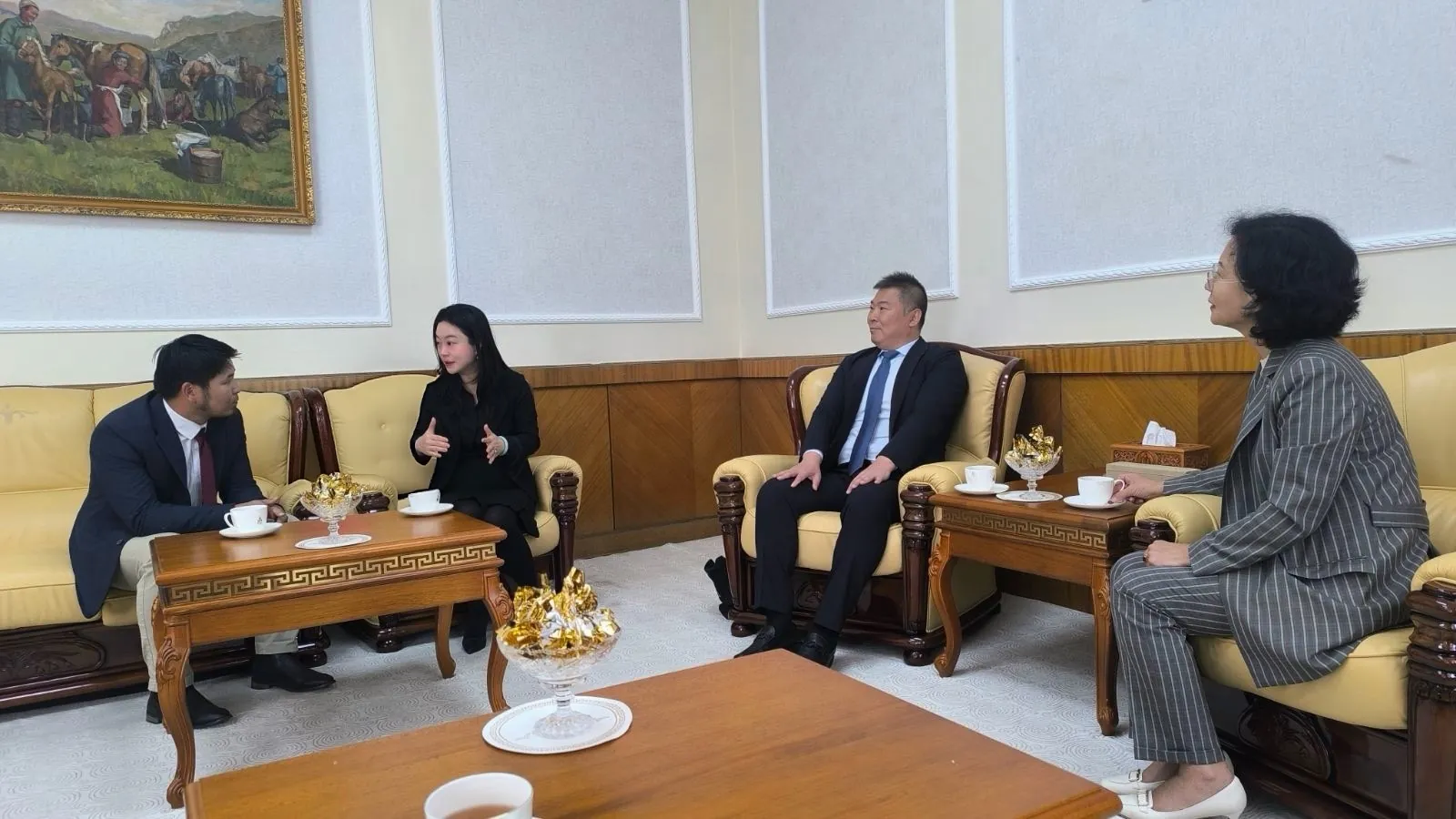
Recently, Zhao Mengda, Executive Chairman of Shanghai Prospect Development Institute (SPDI), Council Member of the China Culture Promotion Association and Chairman of the China Culture Promotion Association Industrial Investment Association (CCPAIIA), and CEO of Longcharm Group, led a delegation to Mongolia. The delegation successively met with Badarch Kherlen, Member of the State Great Khural of Mongolia; Bavuujav Myagmarnaran, State Secretary of the Ministry of Digital Development and Communications; and Bolor-Erdene Baasanjav, Director of the State Administration Department of the Ministry of Road and Transport Development. Delegation members included Dr. Wang Lina, Vice Chairman and Executive Dean of SPDI and Co-founder of Longcharm Education; Chin Then Hin, Chairman of the Board and CEO of China Kingstone Mining Holdings Limited (hereinafter referred to as "China Kingstone"); Gerard Kisbey-Green, CEO of Naran Mandal Gold Mine; Dr. Cai Junwei, Director of First Asia Merchants Bullion Limited (hereinafter referred to as "First Bullion"); and Kanis Chan, Partner and Chief Executive Officer of First Gold 3.0 Jewellery. The two sides held in-depth discussions on China-Mongolia educational exchanges, digital talent cultivation, and cooperation in the resources sector.
Zhao Mengda introduced the development history and international layout of Longcharm Group and SPDI during the talks. SPDI originated from the "Prospect Plan" launched in 1993 and has long served talent cultivation, regional coordination, rural education improvement, and international exchanges, accumulating rich experience in western talent training and regional development practices. In recent years, the institute has continued to expand international educational cooperation, committed to building a talent cultivation and exchange platform connecting China and the world. Dr. Wang Lina introduced Longcharm Education's professional experience in international education planning, language assessment, learning support, and university application guidance.
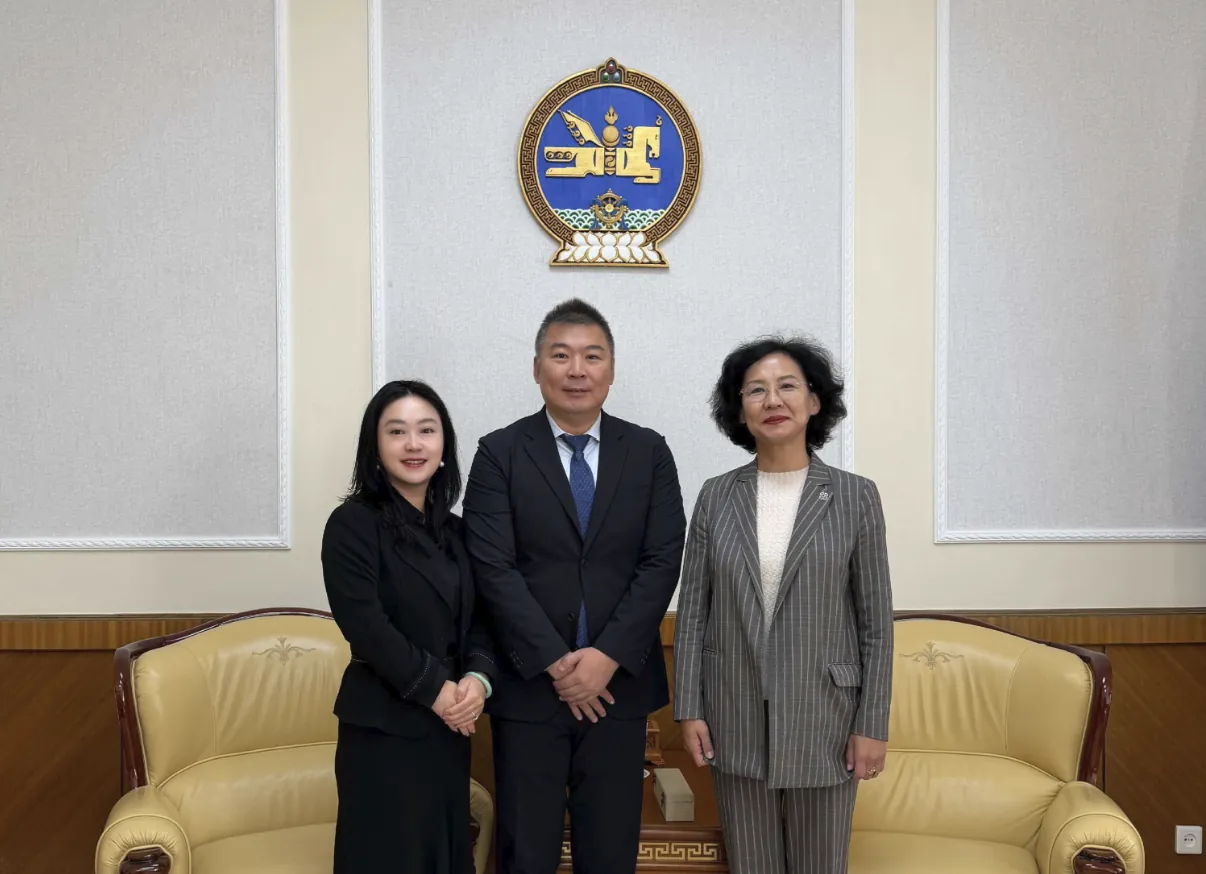
In the meeting with Member of Parliament Badarch Kherlen, the two sides focused on the possibility of establishing a China-Mongolia education and training friendly exchange mechanism. The discussion included international training programs for Mongolian government officials, public sector managers, and policymakers, exploring short-term training and exchanges at Cambridge, Oxford, and other locations in the United Kingdom. The two sides also discussed youth cultivation, student exchanges, cross-cultural learning, and long-term talent development mechanisms between China and Mongolia, agreeing that educational exchanges are an important foundation for enhancing people-to-people understanding, broadening youth horizons, and cultivating international talent.
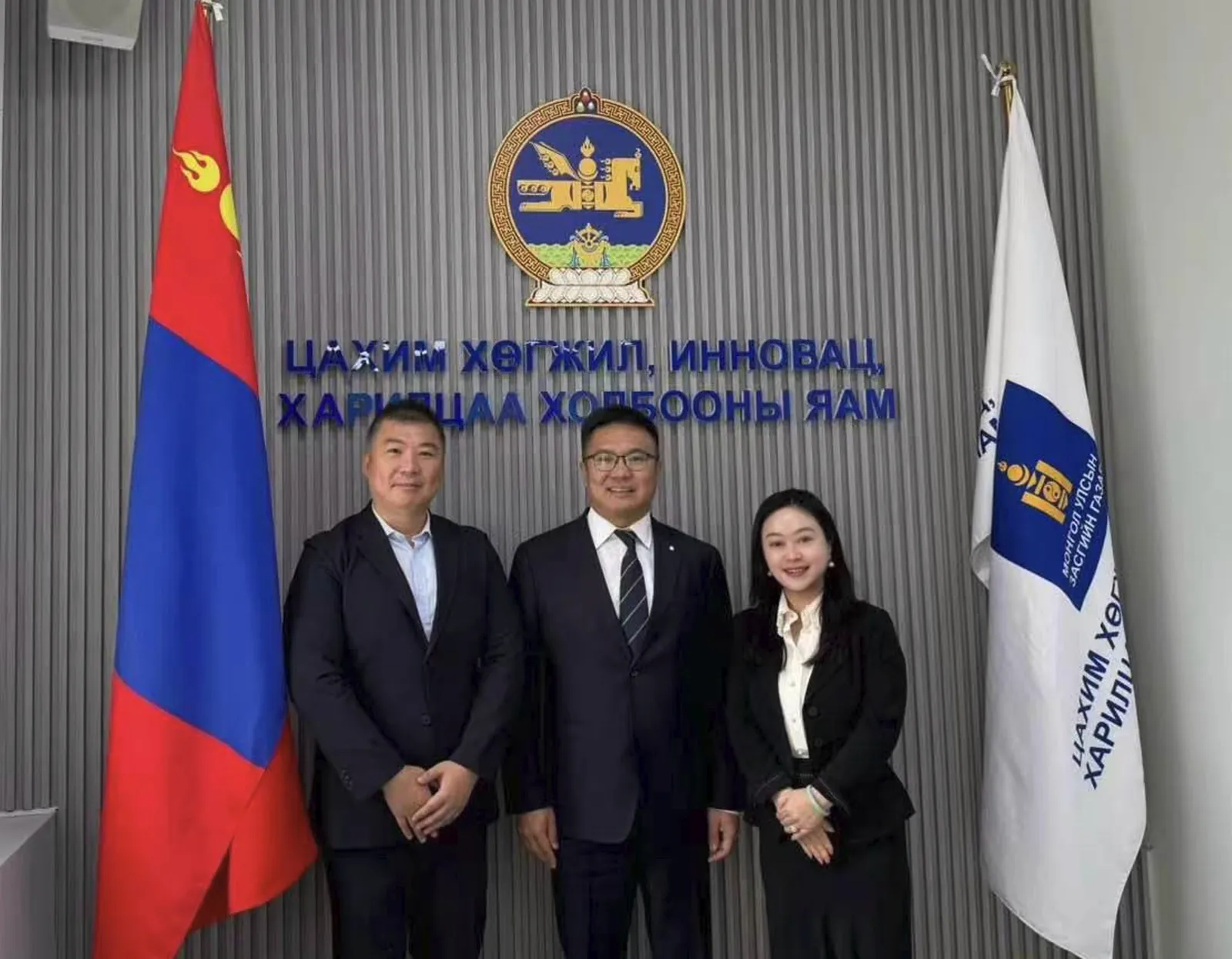
In the meeting with State Secretary Bavuujav Myagmarnaran, the two sides exchanged views on China-Mongolia digital construction and talent capacity improvement. Topics covered digital transformation, artificial intelligence applications, digital governance, education digitalization, and related professional training. The two sides explored customized learning programs for governments, educational institutions, and enterprise managers, as well as a cooperation model to gradually expand professional talent coverage through "train-the-trainer" programs. SPDI expressed willingness to support Mongolia's digital talent cultivation by combining China's relevant resources in digital development, artificial intelligence applications, and continuing education.
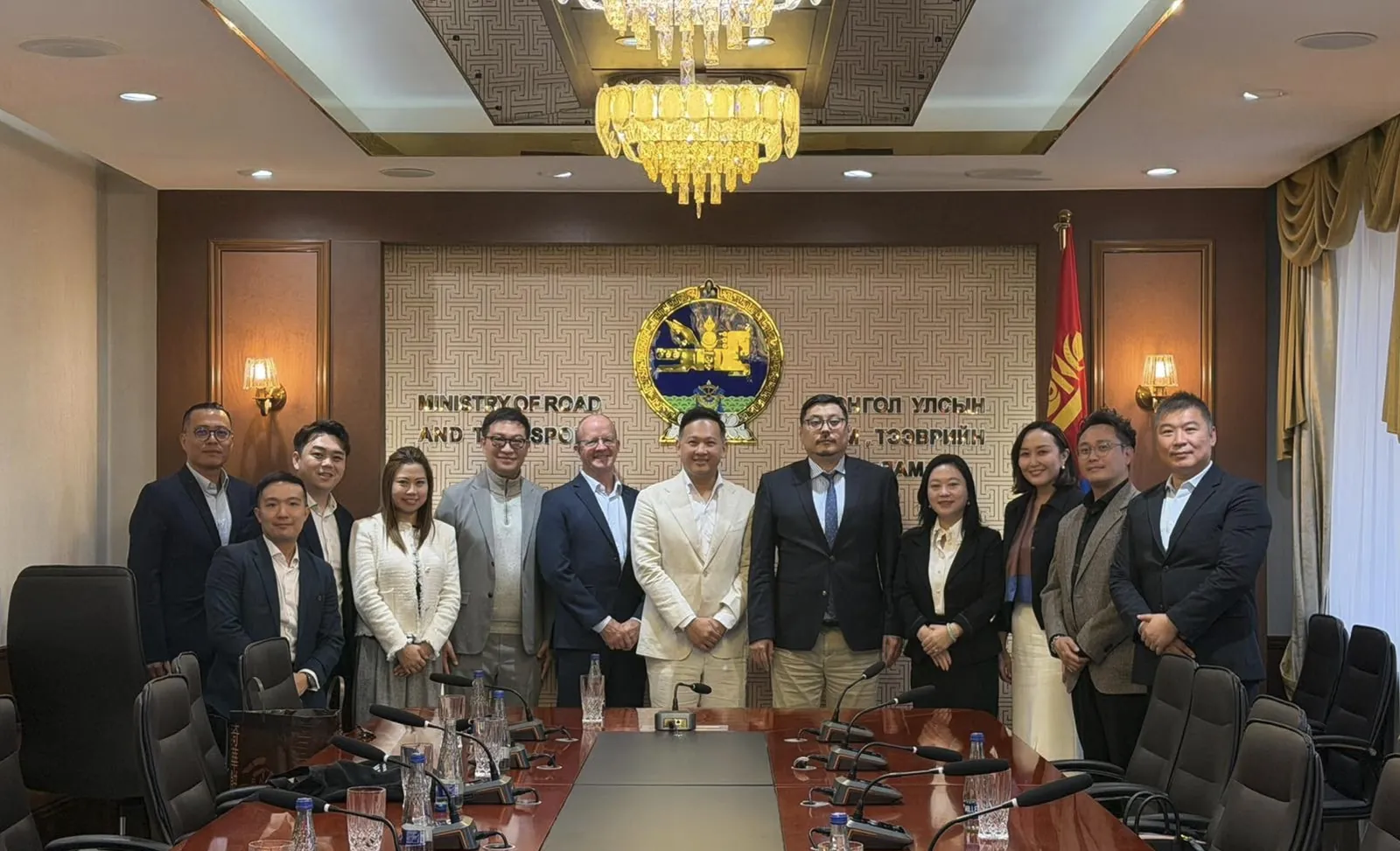
In the meeting with Director Bolor-Erdene Baasanjav, the two sides focused on the talent needs in Mongolia's transportation infrastructure construction process. Mongolia is advancing transportation, road, and related infrastructure construction, which places higher demands on project management, engineering coordination, operations management, digital applications, and professional management talent. SPDI stated that it could combine its long-term experience in western development, regional talent cultivation, and grassroots capacity building, integrate Chinese and international educational resources, and explore training and exchange programs for managers, professionals, and young talent related to transportation infrastructure.
In addition to the educational field, the two sides also exchanged views on cooperation in the resources sector. Mongolia is rich in mineral resources and highly complementary with China in capital, technology, and markets. Chin Then Hin introduced China Kingstone's experience in mining development, industrial investment, and project operations, while Dr. Cai Junwei introduced First Bullion's resource advantages in financial services, precious metals trading, and cross-border investment. Both sides agreed that there is broad space for cooperation in mineral resources development, industrial investment, financial services, and trade, driving industrial cooperation through talent cultivation and supporting project implementation through financial services.
Subsequently, Gerard introduced that Naran Mandal is the core producing asset of MONGOLD in Mongolia, located in Bayankhongor Province, approximately 50 kilometers from the provincial capital. It is a typical orogenic gold deposit with JORC-compliant gold resources. The mine has established crushing, screening, grinding, gravity separation, ore sorting, and CIL-Elution processing systems, supported by underground mining, tailings facilities, and administrative support systems, and is currently in the commercial production stage. Since taking over in 2014, MONGOLD has invested over US$100 million cumulatively and currently has more than 700 employees and contractors, a significant proportion of whom are from Bayankhongor, significantly boosting regional employment, skills training, and local supply chain development. MONGOLD expects to mine approximately 160,000 tonnes in 2026, with gold sales of approximately 15,000 ounces, and is extending the mine life through open-pit mining initiation, resource drilling, and mine plan updates.
The two sides stated that they will maintain close communication, promote the establishment of a regular docking mechanism, and quickly identify the first batch of implementable projects around educational exchanges, digital capacity building, transportation infrastructure talent cultivation, and cooperation in the resources sector. In the future, Longcharm Group will join hands with SPDI, Longcharm Education, and partners from all sides to continue leveraging its capabilities in international educational resource integration, project design, and learning services, while actively expanding industrial and financial resource synergy, promoting more practical cooperation, and contributing to China-Mongolia talent exchanges and regional development.